
Taking Stock: Prosecution, Prevention, and New Responses to Retail Theft
Monday, July 6th, 2026 at 12:00 PM ET

Since 2020, retail theft offenses have been among the top concerns cited by cities who are struggling with quality-of-life offenses. Retail theft crimes can lead to a sense of disorder for consumer and community leaders, and business leaders often complain of repeated thefts and a reported lack of consequences for frequent offenses. But what does the data say about these crimes–are they really on the rise? What drives these offenses and what actually works at addressing them? What approaches should prosecutors adopt to respond to these crimes effectively and better serve their communities?
Our panelists leverage their extensive experience in the field to advise local prosecutors and law enforcement partners on effective, data-driven responses to shoplifting offenses. The discussion explores innovative ways prosecutors can address shoplifting and retail theft without resorting to punitive measures, how prosecutors can navigate their relationships with the business community, and how to ensure that public safety, not private interest, drives criminal justice responses.
Panelists include:
Chesa Boudin, Executive Director, Criminal Law and Justice Center at UC Berkeley Law;
Kim Foxx, State’s Attorney (former), Cook County (IL);
Marc Levin, Chief Policy Counsel, Council on Criminal Justice;
Barbara Staib, Director of Communications, National Association for Shoplifting Prevention; and
Moderator Rachel Marshall, IIP Executive Director
Kim Foxx

State’s Attorney (former), Cook County (IL)
Kimberly M. Foxx served as the first Black woman to lead the Cook County State’s Attorney’s Office – the second-largest prosecutor’s office in the country. Kim took office on December 1, 2016, with a vision for transforming the Cook County State’s Attorney’s Office into a fairer, more forward- thinking agency focused on rebuilding public trust, promoting transparency, and being proactive in making all communities safe. She was elected to a second term in 2020.
As Cook County State’s Attorney, Kim has undertaken substantial criminal justice reforms focused on public safety and equity. She has revamped the office’s Conviction Integrity Unit, resulting in overturned convictions in over 230 cases, including the first-ever mass exoneration in Cook County for 15 men whose convictions stemmed from misconduct by a Chicago Police Officer. Kim played a pivotal role in the crafting of the 2020 Cannabis Regulation and Tax Act to ensure that this historic legislation provides the most extensive, equitable form of conviction relief possible and requires the expungement of low-level cannabis offenses. Under her leadership, the office has expunged over 15,000 cannabis convictions. Providing this relief was not only a critical part of righting the wrongs of the failed war on drugs that disproportionately harmed communities of color; it is also a statement of her values and commitment to justice for all.
Understanding that cash bail can devastate those with limited financial resources, Kim has been a leader in bond reform, instructing prosecutors to agree to recognizance bonds where appropriate and reviewing bond decisions in cases where people are detained because they cannot afford bonds of $1,000 or less. Kim’s efforts on bail reform culminated with the passage of the Pretrial Fairness ACT in 2021, legislation that made Illinois the first state in the nation to abolish cash bail altogether. Recognizing the need for the office to focus the office’s resources on rising violent crime, she raised the threshold on felony retail theft to $1,000 in alignment with other major jurisdictions in the country, and the office no longer prosecutes misdemeanor traffic offenses for failure to pay tickets and fines.
With the goal of making Cook County the most transparent prosecutor’s office in the country, in 2018, Kim became the first and only prosecutor in the country to make felony case-level data available to the public. The open data portal provides unprecedented access and transparency into the work of a prosecutor’s office, work that is grounded in data and evidence. A noted and national speaker on social justice issues, Kim has served on various panels, including the Illinois Judicial Council, Cook County’s COVID Reopening Task Force, and banning together with other elected prosecutors to stand against the criminalization of abortions following the overturned Roe v. Wade.
Considered a national leader in criminal justice reforms, Kim has been published in two anthologies, Progressive Prosecution: Race and Reform in Criminal Justice, Change from Within; Reimagining the 21st Century Prosecutor, where she discusses the inequities in the criminal justice system and the role that prosecutors offices can affect change and outcomes for offenders. Kim is also a sought-after keynote, speaker and lecturer, participating in panels across the country including, serving as the keynote for the University of San Francisco- USF Law Review Symposium on Race, Justice, and the Role of the Prosecutor in a Post George Floyd Era, January 2023; panelist for the DAs on the Frontier of Change: In Conversation with Melina Abdullah, May 2022; and as a panelist for the Google Zeitgeist Conference and as a guest speaker for the Makers Women’s Conference in 2018.
Kim served as an Assistant State’s Attorney for 12 years and was also a guardian ad litem, where she worked as an attorney advocating for children navigating the child welfare system. Prior to being elected State’s Attorney, Kim served as Chief of Staff for the Cook County Board President, where she was the lead architect of the county’s criminal justice reform agenda to address racial disparities in the criminal and juvenile justice systems.
Born and raised in Cabrini Green on Chicago’s Near North Side, Kim is a graduate of Southern Illinois University, where she earned a B.A. in Political Science and a J.D. from the SIU School of Law.
Chief Policy Counsel, Council on Criminal Justice
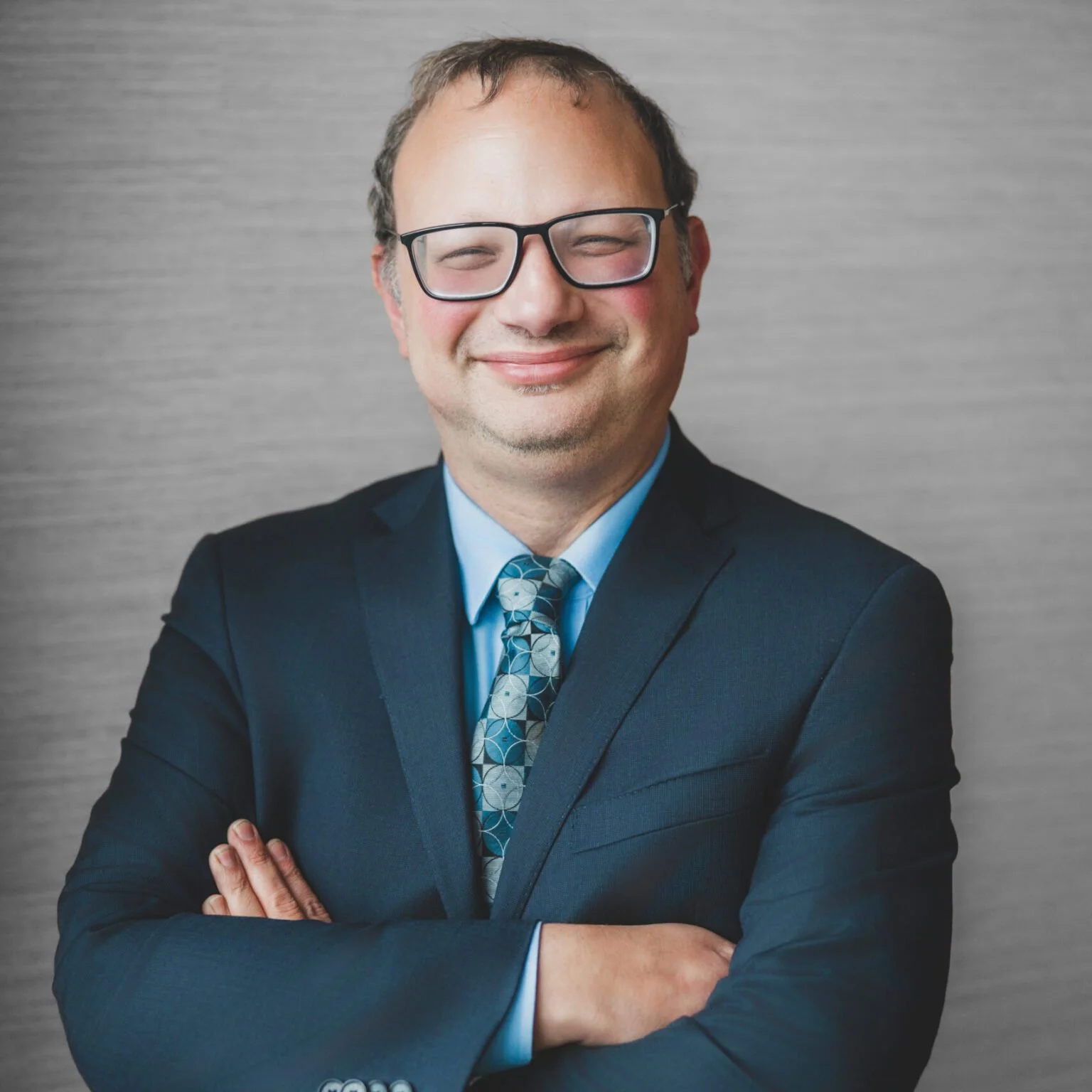
Marc Levin
Marc A. Levin is the Chief Policy Counsel for the Council on Criminal Justice where he co-leads the Centering Justice Initiative and helped develop landmark bipartisan principles on criminal justice policy embraced by 14 leading organizations on the left and right. Levin began the Texas Public Policy Foundation’s criminal justice program in 2005. Building on this success, in 2010, Levin developed the concept for the Right on Crime initiative.
Levin has authored hundreds of publications and articles on criminal justice policy and testified on four occasions before Congress, as well as before legislatures in states including Texas, Nevada, Kansas, Wisconsin, and California. He also has met with leaders such as U.S. Presidents, Speakers of the House, and the Justice Committee of the United Kingdom Parliament to share his ideas on criminal justice reform.
In 2007, he was honored in a resolution unanimously passed by the Texas House of Representatives that stated, “Mr. Levin’s intellect is unparalleled and his research is impeccable.” In 2023, he was invited by the U.S. State Department to visit Uruguay to present on criminal justice policy before the nation’s leaders, including its Vice President, and in 2025 he was invited to meet with numerous policymakers in Australia.
Levin serves on the American Legislative Exchange Council Judiciary Task Force, the Aspen Institute Criminal Justice Initiative Advisory Board, the Caruth Police Institute Advisory Board, the Urban Rural Action Board of Directors, the Executive Committee of the Federalist Society’s Criminal Law & Procedure Practice Group, the Corrections News Editorial Advisory Board, the University of Texas LBJ School’s Prison and Jail Innovation Lab Advisory Board, and The Marshall Project Advisory Board.
In 1999, Marc graduated with honors from the University of Texas with a B.A. in Plan II Honors and Government. In 2002, Marc received his J.D. with honors from the University of Texas School of Law. He served as a law clerk to Judge Will Garwood on the U.S. Court of Appeals for the Fifth Circuit and Staff Attorney at the Texas Supreme Court.
Director of Communications, National Association for Shoplifting Prevention

Barbara Staib
Barbara Staib is the Director of Communications for the National Association for Shoplifting Prevention (NASP) – a non-profit organization providing education, advocacy, and shoplifting prevention and education programs for the court system, retailers, and the wider community since 1989. Barbara joined NASP in 2000 and has since worked as an industry advocate in the press and broader community. She has maintained a focus on building consensus in the retail industry and the criminal/juvenile justice communities around the issue of shoplifting and its much broader implications to our society, economy and youth. Barbara is also a champion of the retail loss prevention/asset protection community and a long-time proponent of innovative and collaborative strategies that reduce shoplifter recidivism, address ORC challenges, and improve community safety while still serving all stakeholders in the shoplifting issue equally – from the retail asset protection and criminal justice communities to the shoplifting offenders themselves. In addition to her communications role, she oversees NASP’s ongoing shoplifter research surveys and has participated on numerous panels focused on creative solutions to the ongoing shoplifting issue across the nation.
According to a long-time industry colleague, "Barbara is one of the most industry passionate and effort driving people I know. She puts tremendous effort into her work and is a huge advocate for the betterment of our industry. Barbara is the consummate professional and someone who is relentless in her pursuit of justice and NASP’s goals."
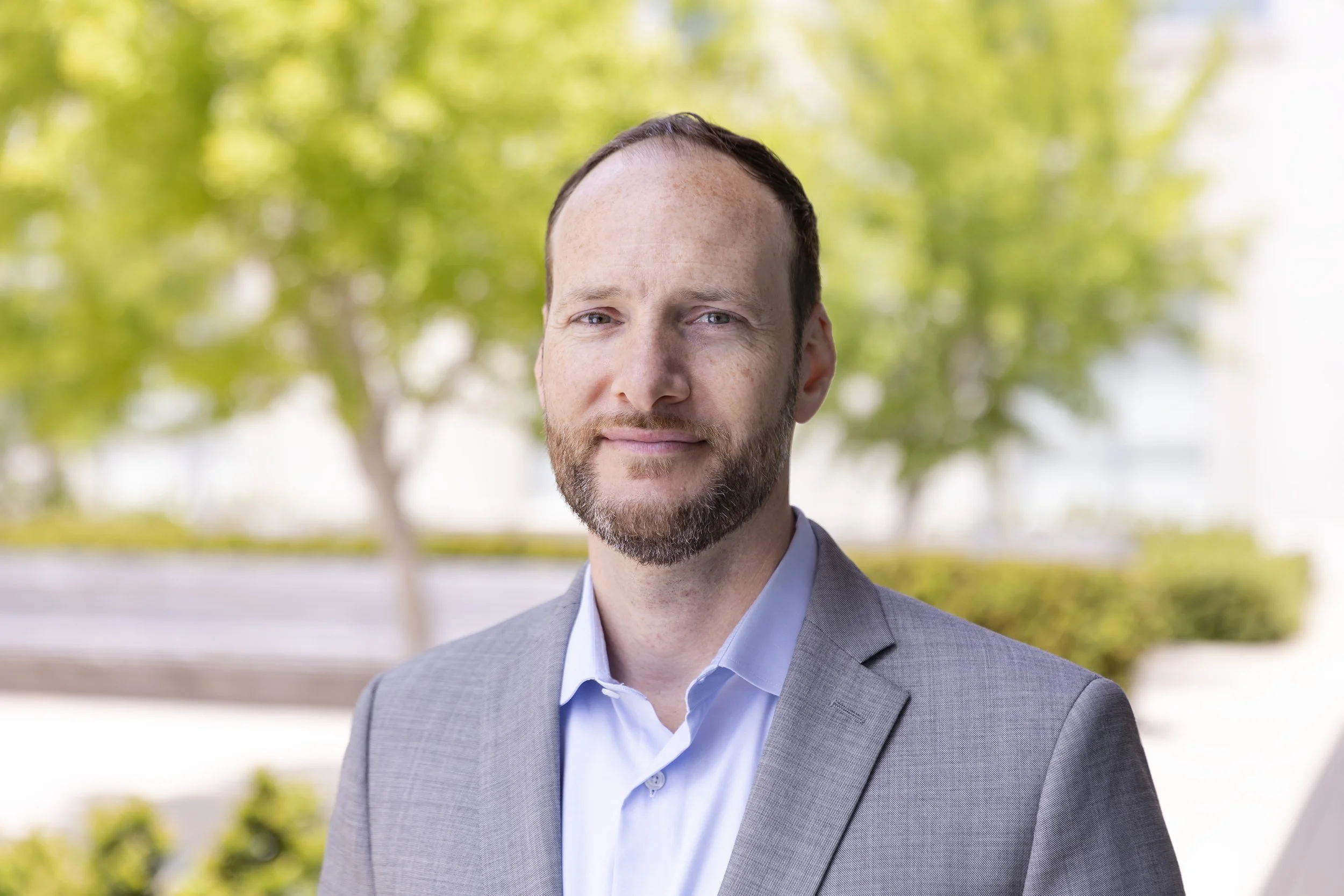
Executive Director, Criminal Law and Justice Center at UC Berkeley Law
Chesa Boudin is the founding executive director of Berkeley's Criminal Law & Justice Center, a policy and advocacy hub. He served as San Francisco’s elected district attorney from 2020 until 2022. His achievements in office include a significant expansion of the office’s victim services’ division; eliminating prosecutors’ use of money bail; prosecuting police for excessive force; suing the manufacturers of ghost guns; expanding diversion to address root causes of crime, and an historic reduction in incarceration. During his time in office both violent and non-violent crime fell by double digits. Prior to his election Boudin clerked for two federal judges and worked for years as a deputy public defender. He is a graduate of Yale college and Yale law school and attended Oxford on a Rhodes Scholarship. His biological parents spent a combined 62 years in prison starting when he was a baby.
Executive Director, Institute for Innovation in Prosecution at John Jay College
Rachel Marshall
Chesa Boudin
Rachel Marshall is the Executive Director of the Institute for Innovation in Prosecution.
Rachel previously served as the Director of Communications and Policy Advisor at the San Francisco District Attorney’s Office, following nearly a decade working as a public defender in Alameda County, California. Rachel has extensive expertise in the criminal legal system and efforts to reform it, as well as experience in media, policy, and advocacy.
Rachel graduated from Stanford Law School and Brown University. After law school, she clerked for federal District Court Judge David O. Carter in the Central District of California. Prior to law school, she taught high school history for three years in the Bronx.